Marksburg Fortress
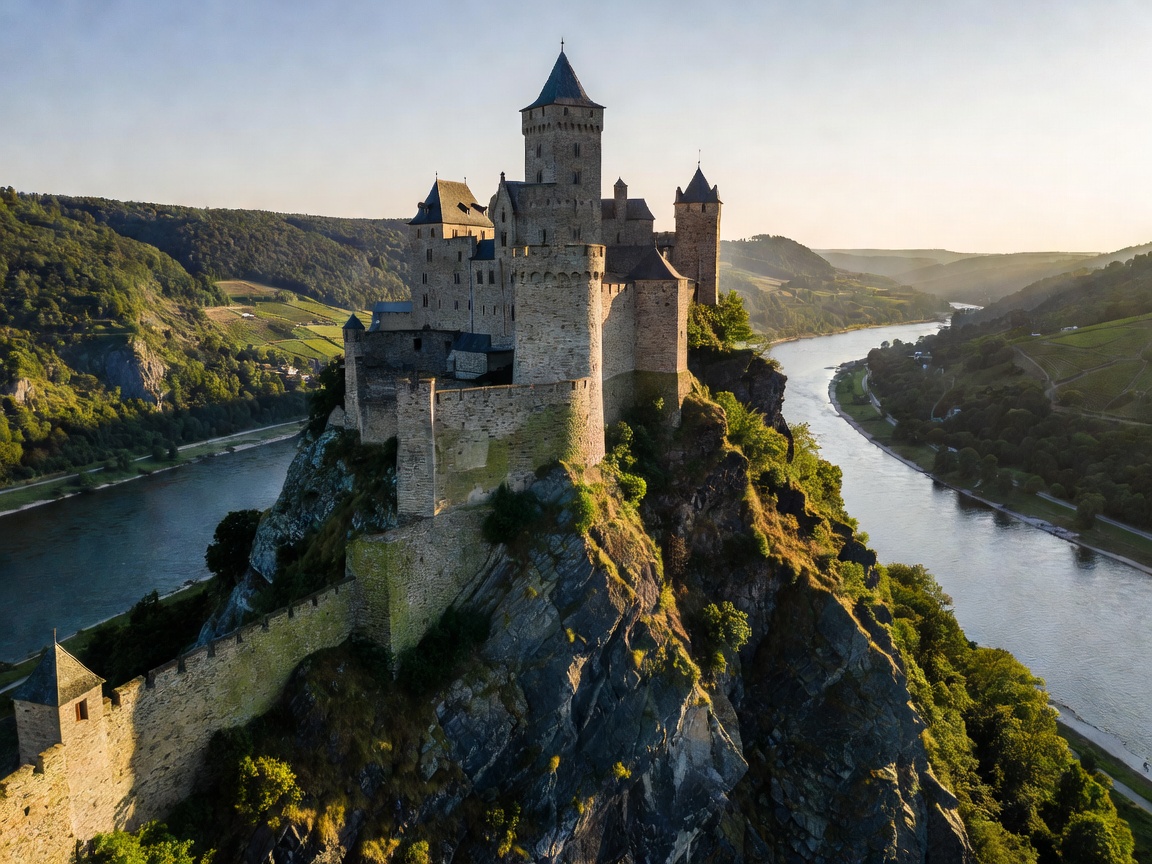
Never conquered nor slighted by French artillery, preserving intact medieval living quarters, battery ramps, and Staufer armories.
Documented architectural surveys of cliffside bastions erected by Prince-Electors, Palatine Counts, and feudal lords to command Europe's richest trade artery.
Never conquered nor slighted by French artillery, preserving intact medieval living quarters, battery ramps, and Staufer armories.
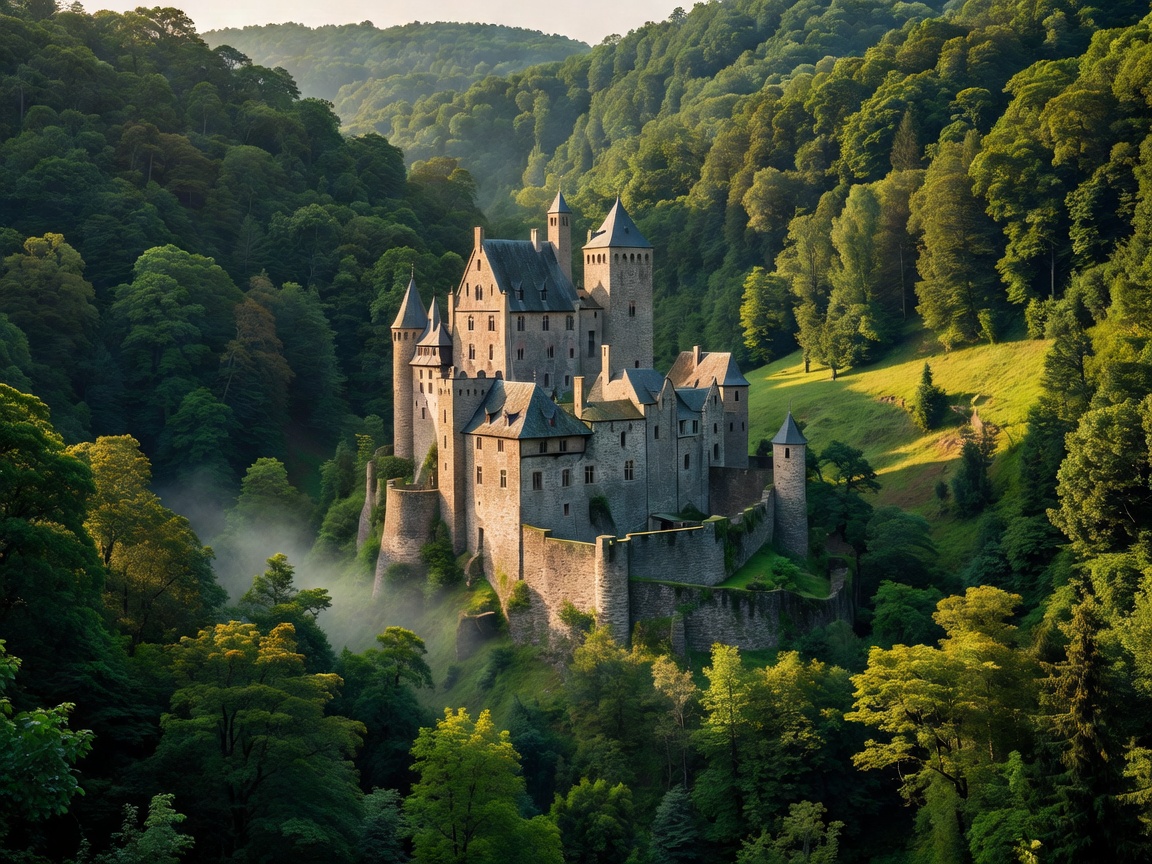
Hidden within a forested ravine off the Rhine, this eight-tower fairytale redoubt was co-owned by three branches of the noble Eltz family.
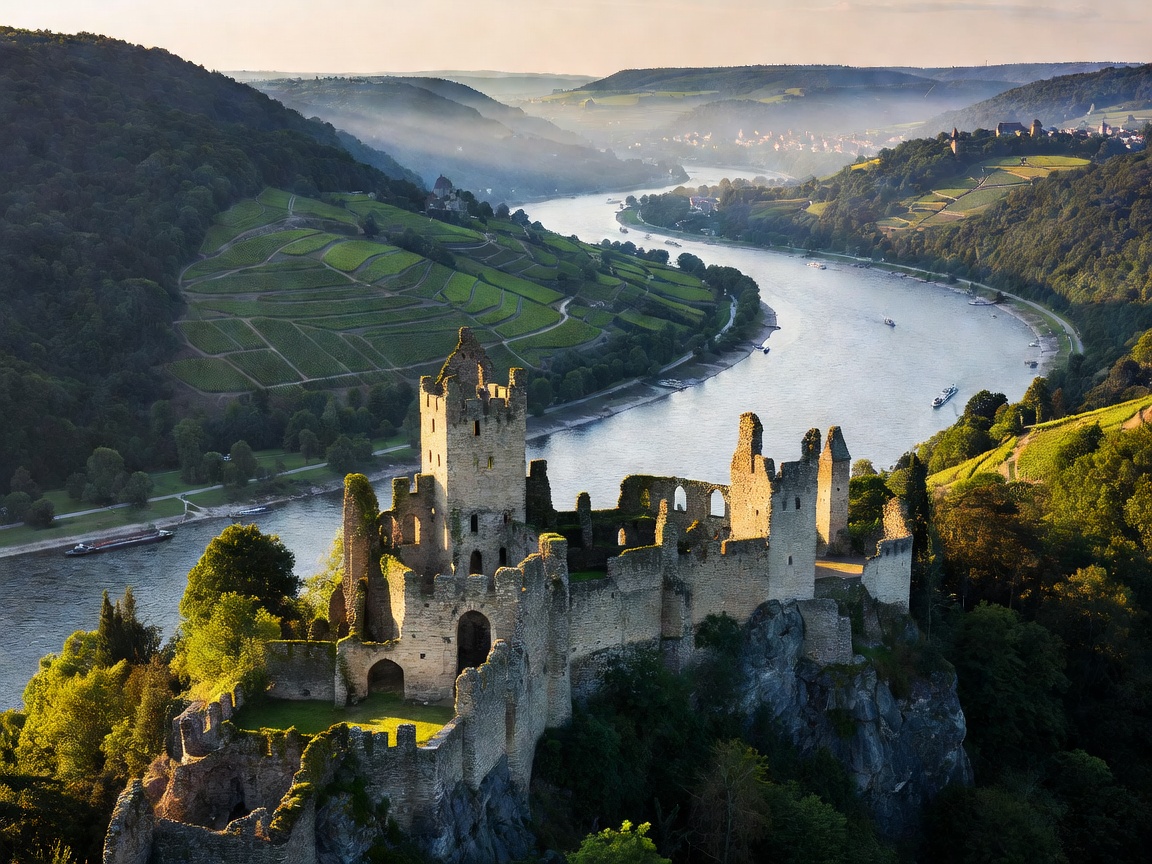
Once the most gargantuan fortress system on the Rhine, resisting a 1692 siege of 28,000 soldiers with underground detonating counter-mines.
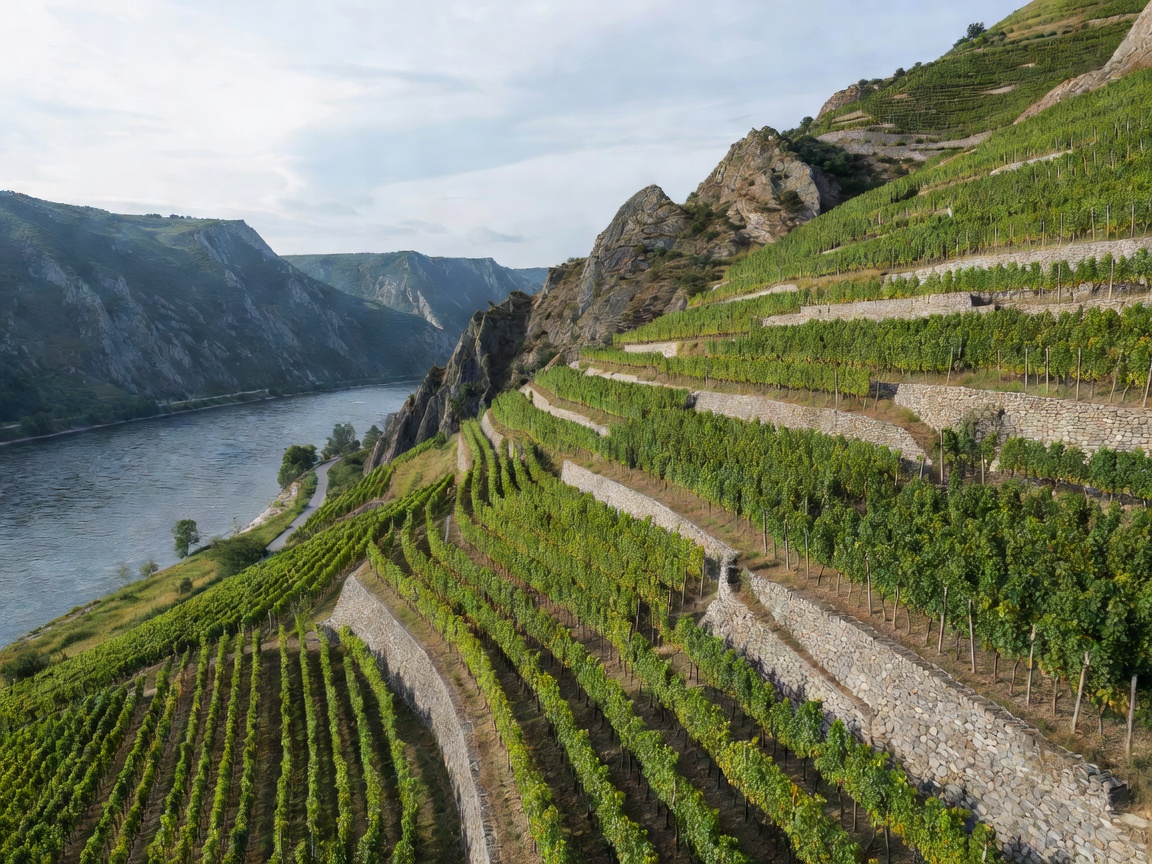
Devonian blue-grey slate retains midday solar thermal energy, releasing warmth into vines during Rhine evening mist.
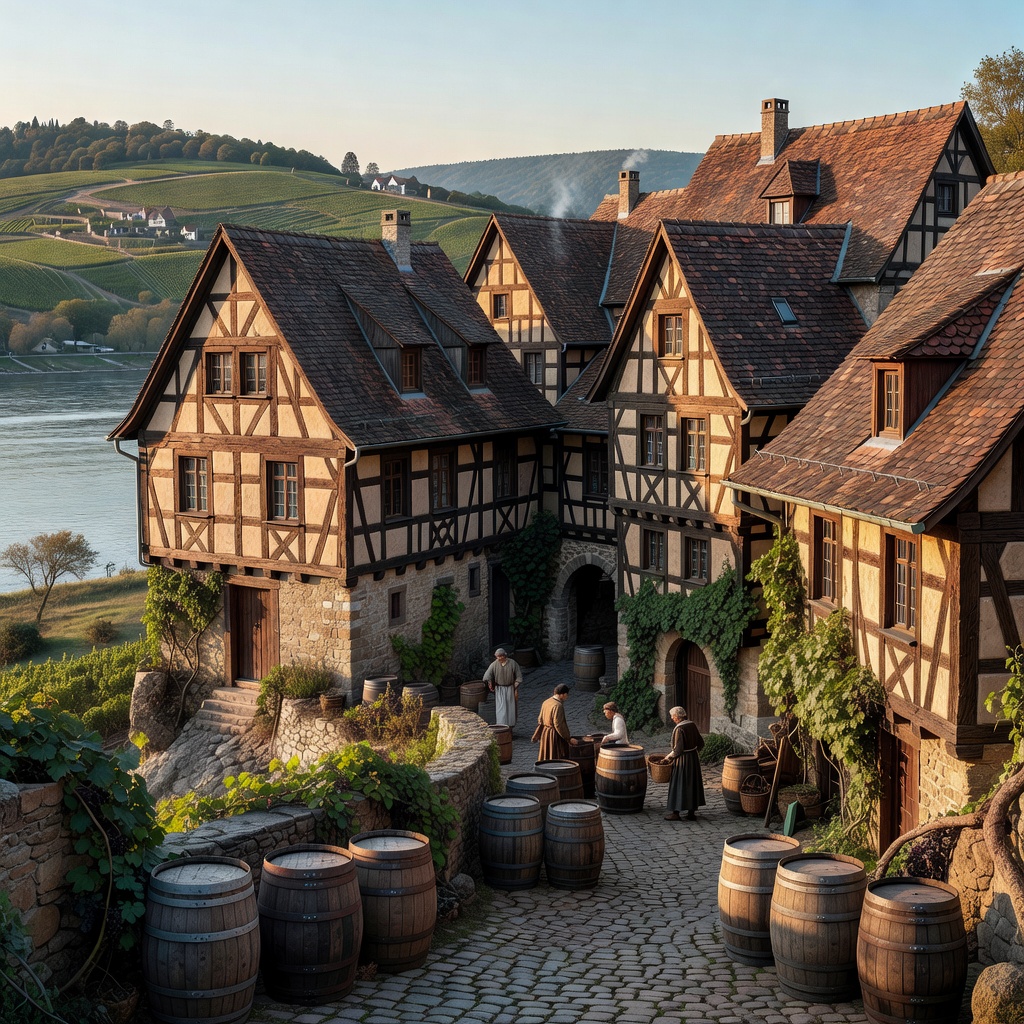
For more than eight centuries, monastic orders like the Cistercians of Kloster Eberbach cultivated the near-vertical 70-degree slate escarpments of the Rheingau and Mittelrhein, turning hazardous cliffs into world-renowned cru vineyards.
Detailed cartographic studies examining half-timbered architecture, defensive town walls, and toll towers across the Rhine gorge.
An analysis of the Wernerkapelle sandstone traceries, ancient wine cellar vaults, and the Stahleck defensive outer curtain controlling the river road.
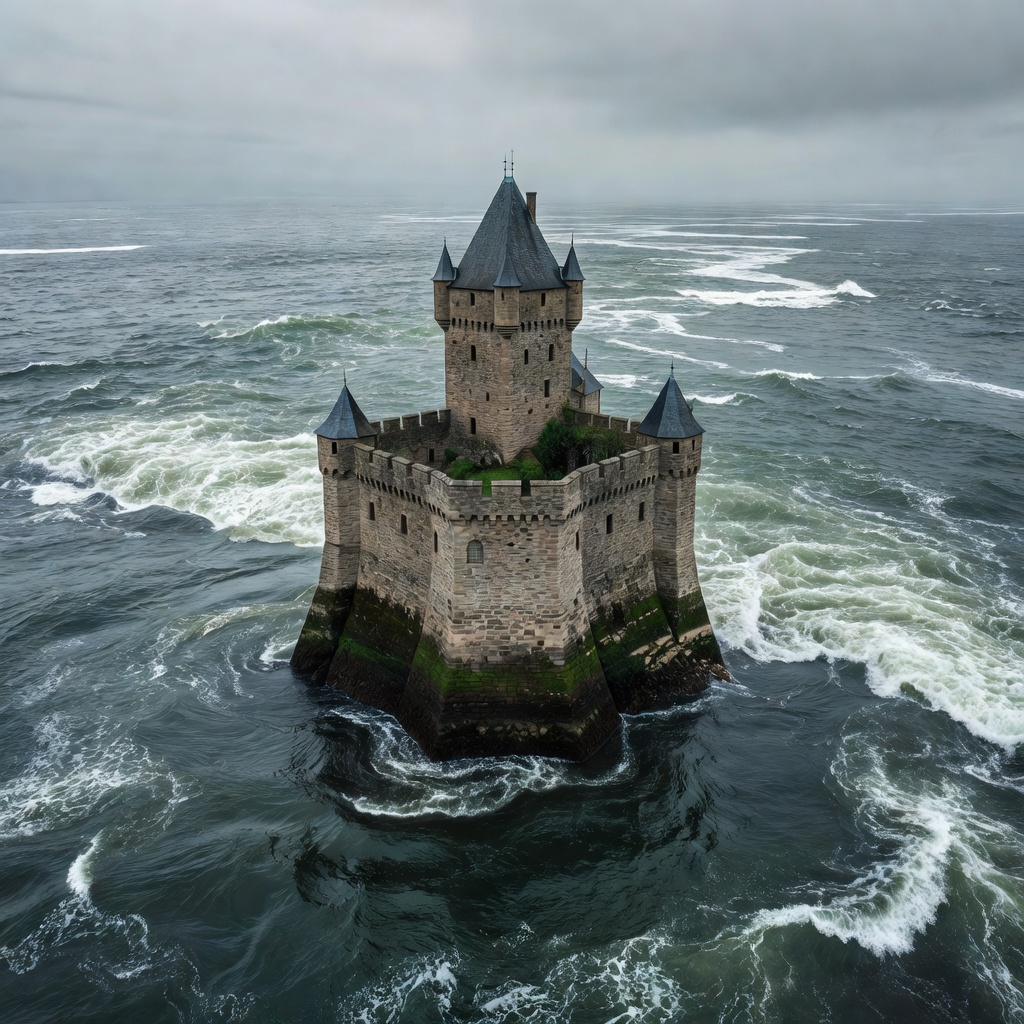
Constructed by King Ludwig the Bavarian upon the Falkenau rock ledge to trap river vessels with heavy iron chains linked to cliffside batteries.